












CIRDAP – Enabling Rural Communities

Centre on Integrated Rural Development for Asia and the Pacific (CIRDAP)

An Intergovernmental & Autonomous Organization; Established in 1979, Mandated for Promoting & Strengthening Integrated Rural Development Systems for 15 Asia-Pacific Countries; Namely Afghanistan, Bangladesh, Fiji, India, Indonesia, IR Iran, Lao PDR, Malaysia, Myanmar, Nepal, Pakistan, Philippines, Sri Lanka, Thailand & Vietnam.

Asia

Latest News, opportunities

Call for Expression of Interest and Nomination for CIRDAP IRD Expert

The Centre on Integrated Rural Development for Asia and the Pacific (CIRDAP) invites Expressions of Interest and Nominations from distinguished Rural Development Experts of CIRDAP Member Countries for the position of CIRDAP IRD Expert. Eligible candidates should have international eminence in Integrated Rural Development, have held senior positions in government or relevant institutions, possess sound knowledge of regional and international socio economic and political issues related to rural development, and have a strong record of publications and recognized achievements. Applicants must be citizens of a CIRDAP Member Country and proficient in English. The selected Expert will advise the Technical Committee and CIRDAP Secretariat, serve on key committees including the Personnel Advisory Committee, Technical Committee and Screening Committee, and contribute as a Resource Person and Keynote Speaker at CIRDAP programmes. The appointment is for a term of two years, extendable for another term, with honorarium provided in recognition of the service. Interested individuals are requested to express their interest through the respective Contact Ministry of their country, with a copy to aocirdap@cirdap.org 📅 Application Deadline: 30 June 2026 Member Countries: Afghanistan, Bangladesh, Fiji, India, Indonesia, Iran, Lao PDR, Malaysia, Myanmar, Nepal, Pakistan, Philippines, Sri Lanka, Thailand and Vietnam For eligibility criteria, application guidelines, and contact details, please visit: Click Here

Latest News, Uncategorized

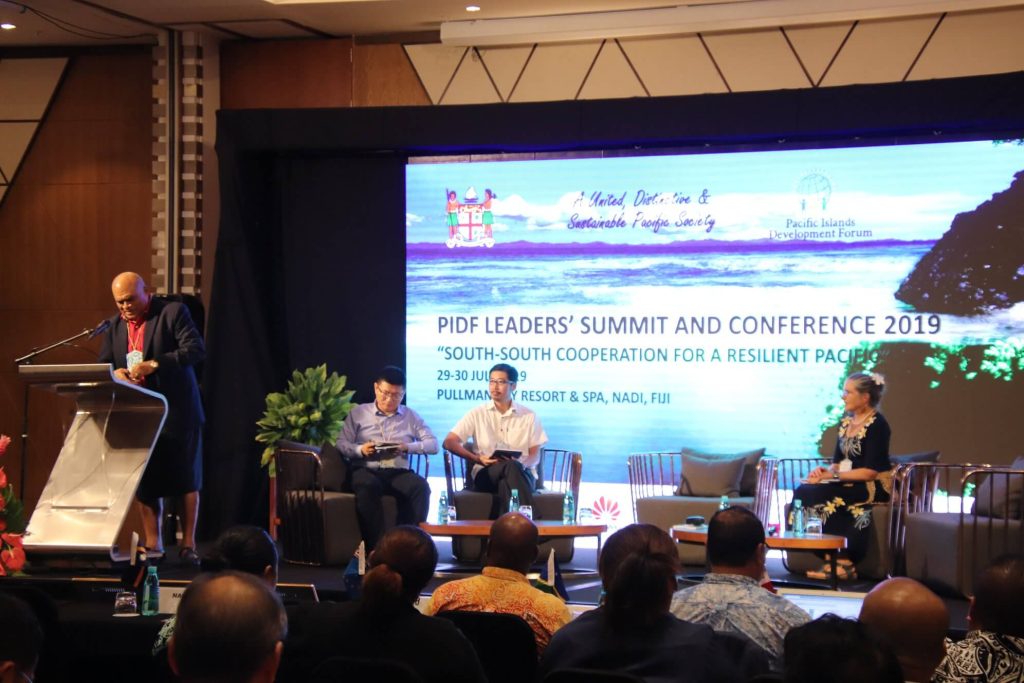
CIRDAP to work with PIDF for resilient Pacific

CIRDAP will strengthen its partnership with Pacific Island Development Forum (PIDF) to promote rural development through regional cooperation among the Asia-Pacific Countries. Director General of CIRADP Mr. Tevita G. Boseiwaqa Taginavulau, expressed CIRDAP’s commitment to work with regional organisations including PIDF in the mutual areas of interest during the First PIDF Conference held in Nadi, Fiji on 29 July, 2019. The conference with a theme of “Strengthening South-South Cooperation for a Resilient Pacific” has explored the ways of leveraging the opportunities provided by South-South cooperation to build horizontal and inclusive relationships that add complementary value to the development agenda in the Pacific. The Conference, which was organised by Pacific Islands Development Forum (PIDF), has been attended by leaders from the Pacific countries, Representatives of private sector, NGOs, multilateral agencies, international and regional organizations. DG CIRDAP also moderated a plenary Session on ‘South-South Cooperation for the blue and green economy – Implementation and Financing’. Discussants of the session discussed about the public and private engagement strategies that can be harnessed to derive maximum benefits from the blue/green economy, while supporting community resilience. CIRDAP is trying to reach out other Pacific countries to join CIRDAP in its effort for inclusive and sustainable rural development in the Asia-pacific region.

Latest News

Int. Training on Decentralized Governance and Delivery of Services’

CIRDAP in collaboration with NIRD&PR has organised an International Training Programme on ‘Decentralized Governance and Delivery of Services –Way to Good Governance’ on 19-28 March 2019 at NIRD&PR, Hyderabad, India. Decentralization (local governance) is the power and authority that considered as a key to achieve more democracy at the grassroots level. In Asia and the Pacific region, people affected by palpable poverty are higher than the most other region of the world. To distribute governance services to these rural, poor people on basic civic needs and other sectors (e.g. education, health, water supply, sanitation, roads, communications, power, etc) decentralization is one of the most effective and straightforward way. It can alter the complexion of distribution and provide institutional support for the delivery of services. The training is expected to build capacity of the government official on decentralization through sharing of the best practices of good governance. The specific objectives of the programme were: to discuss the international perspectives and the Asia Pacific trends of decentralized governance; to share knowledge of governance, its theory and practices, and share best practices of good governance; to discuss decentralized governance in better service delivery; to develop mock action plan for decentralized governance; and to share knowledge on the rural development programmes in India by practicing decentralize governance. The Training methods include a combination of lectures-cum-discussions, panel and case discussions, audio-visual and country paper presentations. A three days study visit had also organized to expose the participants to the process of decentralized governance and delivery of services. The senior and mid level government officials from ten (10) CMCs were attended in this training programme. Total 16 participants were been chosen from the countries namely, Afghanistan, Bangladesh, Fiji, Indonesia, Iran, Myanmar, Nepal, Philippines, Sri Lanka and Vietnam.

Scroll to Top